The Amoeba Coffee Table: A Study in Organic Form and Functional Design
The Amoeba Coffee Table: A Study in Organic Form and Functional Design

The world of furniture design is constantly evolving, driven by a desire to push boundaries, explore new materials, and respond to changing lifestyles. In recent years, a particular trend has emerged: the embrace of organic forms. This shift away from rigid, geometric shapes has led to the creation of furniture pieces that mimic the fluidity and irregularity found in nature. One such example is the Amoeba coffee table, a captivating piece that embodies this organic aesthetic and offers a unique blend of form and function.
A Form Inspired by Nature:
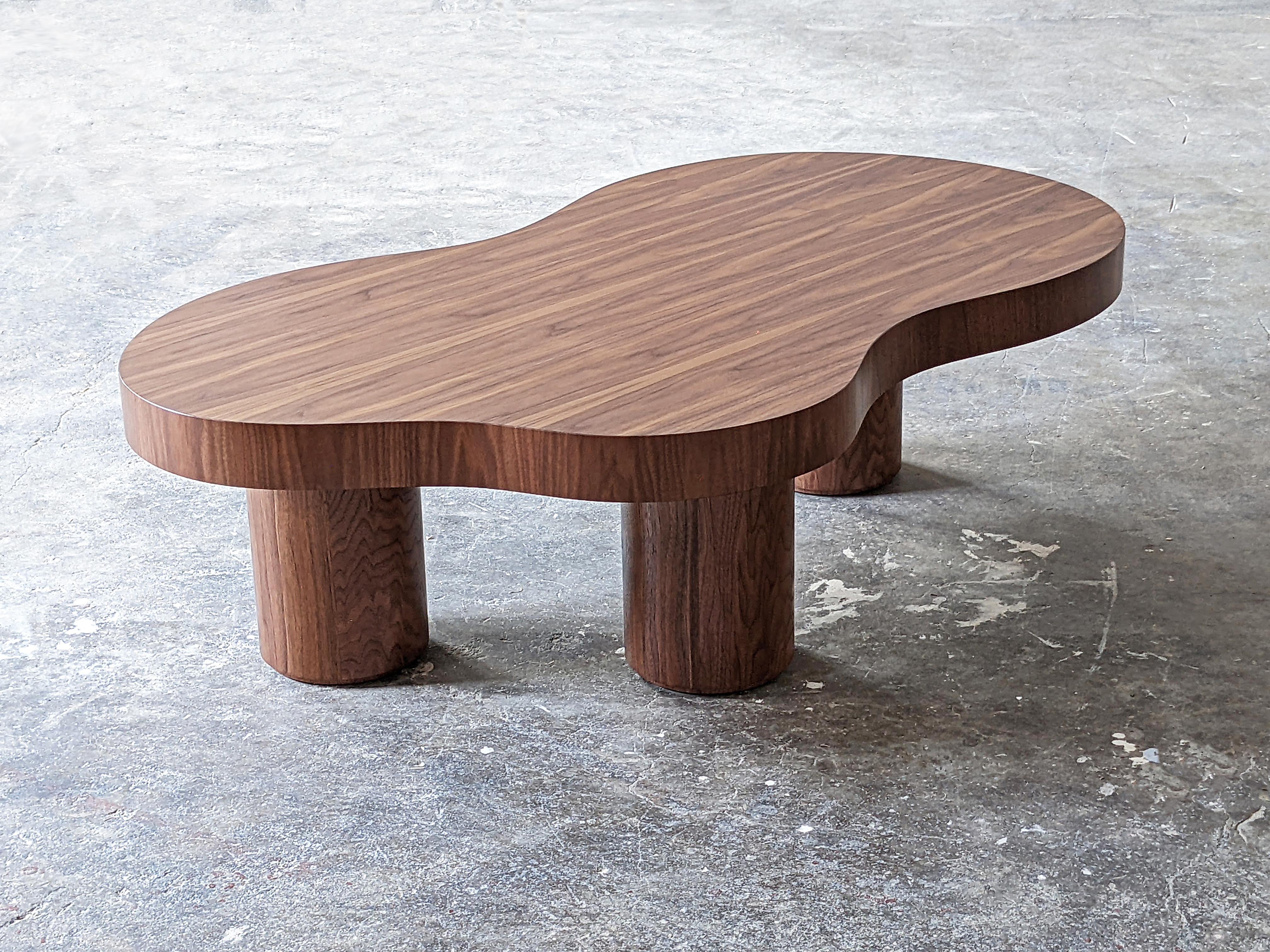
The Amoeba coffee table, as its name suggests, draws inspiration from the single-celled organism known for its ever-changing, amorphous shape. Its design is characterized by smooth, undulating curves and a lack of sharp edges, creating a sense of movement and dynamism. This organic form is not merely decorative; it serves a practical purpose as well. The rounded edges make the table safer for children and pets, while the flowing lines create a sense of openness and airiness in the space.
Materials and Craftsmanship:
The Amoeba coffee table can be crafted from a variety of materials, each contributing to its unique aesthetic and functionality. Some common choices include:

- Solid Wood: This material offers a natural, warm feel and a robust construction. The grain patterns of the wood add depth and character to the table’s organic form.
- Acrylic: Transparent acrylic allows for a light and airy feel, making the table appear almost ethereal. Its smooth, glossy surface reflects light beautifully, adding a touch of glamour to the space.
- Metal: Metal, particularly polished stainless steel or brushed aluminum, offers a modern and sleek aesthetic. The reflective surface adds a touch of sophistication and complements contemporary interiors.
- Stone: Natural stone, such as marble or granite, brings a sense of luxury and permanence to the table. Its cool, tactile surface adds a touch of elegance and sophistication.

The craftsmanship involved in creating an Amoeba coffee table is often meticulous. Skilled artisans use various techniques to achieve the desired organic form, from hand-carving wood to bending metal or shaping acrylic. The attention to detail and the precision required in crafting these pieces contribute to their unique beauty and value.
Functionality and Versatility:
Beyond its aesthetic appeal, the Amoeba coffee table offers a surprising level of functionality. Its organic form allows for a variety of seating arrangements, making it perfect for both intimate gatherings and larger social events. The table’s generous surface area provides ample space for drinks, snacks, books, and other items.
The versatility of the Amoeba coffee table extends beyond its use as a central gathering point. Its unique design can also serve as a statement piece in a variety of spaces. It can be placed in a living room, a bedroom, a study, or even a contemporary art gallery, adding a touch of sophistication and intrigue to any environment.

The Amoeba Coffee Table in Interior Design:
The Amoeba coffee table’s organic form seamlessly integrates into a variety of interior design styles. It complements contemporary spaces with its sleek lines and minimalist aesthetic. In a traditional setting, it adds a touch of modern flair and contrasts beautifully with classic furniture pieces.
The table’s color and material choices also play a significant role in its integration into the overall design scheme. A solid wood table in a warm, natural finish complements earthy tones and rustic textures, while a sleek acrylic table in a vibrant color adds a pop of energy to a minimalist space.
Beyond the Coffee Table:
The concept of organic form, embodied by the Amoeba coffee table, has inspired a broader range of furniture designs. From chairs and sofas to side tables and bookcases, designers are exploring the possibilities of creating pieces that mimic the fluidity and irregularity found in nature. This trend reflects a growing desire for furniture that is both functional and aesthetically pleasing, while also fostering a sense of connection with the natural world.
Conclusion:
The Amoeba coffee table is more than just a piece of furniture; it is a testament to the power of organic form and its ability to transform a space. Its unique design, inspired by the natural world, offers a captivating blend of aesthetics and functionality. The table’s versatility, adaptability, and ability to seamlessly integrate into various interior design styles make it a truly exceptional piece of furniture. As the trend towards organic forms continues to grow, the Amoeba coffee table stands as a powerful example of how nature can inspire innovative and beautiful designs.

Also read: Dibawah Ini Merupakan Salah Satu Bentuk Simbiosis Jamur Yaitu
Posting Komentar untuk "The Amoeba Coffee Table: A Study in Organic Form and Functional Design"